
By: Momi Talukdar, PharmD, MS and Jaclyn Boyle, PharmD, MS, MBA, BCACP, FASHP
I was motivated to become the best pharmacist possible when I started pharmacy school. But, in my extensive years of education, the barrage of assessments made me feel like my worth was tied to my grades and not my passion for pharmacy. While some students might perceive faculty as gatekeepers of a student’s transition to becoming a pharmacist, students must realize that faculty intend to support the student’s professional goals. As positive motivational influencers, faculty are the torches of education, helping students uncover their flame in pharmacy.
What is Motivation, and Can We Measure It?
The Oxford Dictionary defines motivation as ” the reason or reasons one has for acting or behaving in a particular way.” Motivation can be categorized into extrinsic and intrinsic motivation. Extrinsic motivations are behaviors geared toward gaining rewards or avoiding punishment. Intrinsic motivation is behavior that is influenced by internal inspirations, achievement, and personal growth.1 A few tools that faculty might use to assess student motivation that are available include:
Tools for Measuring Intrinsic Motivation
Why Does Motivation Matter?
Motivation matters because it encompasses those internal and external forces that drive our behavior.1 Motivation can impact the quality of our work and persistence through challenges; demonstrating grit and resilience through challenging times can inspire others. A student’s internal flame can be a strong determinant of their success and life-long career; with one large study referencing that a variety of intrinsic (career expectations) and extrinsic (work environment, professional development, compensation) motivational factors can vary across practice settings, and an individual’s motivations may impact overall job satisfaction.3
How Can Faculty Identify Students’ Motivations?
One statement that will always stick with me from my training in Motivational Interviewing is that “motivation cannot be manufactured.” Key tenets of motivational interviewing are built on the premise that each person has unique motivations that drive their behavior. That a person’s autonomy and self-efficacy will guide them to make decisions that align with those motivations.4
To identify intrinsic motivations, faculty may gauge students’ interests and explore a student’s professional and personal goals. A conversation about strengths, values, and skill development could build on self-awareness or identify professional development opportunities. To discover extrinsic motivators, faculty could ask and assess a student’s social support network and offer suggestions for other forms of social support. Further, faculty could review students’ study habits and offer support services. Faculty may also ask about a student’s post-graduate goals and offer advice or connections that could support goal achievement. A conversation framework for uncovering a student’s motivation could look like this:3
- Engage the student: Initiate the conversation nonjudgmentally to inform the student you are invested and aware of their challenging journey in their professional academic pursuit. An example of this is asking an open-ended question starting with “How,” “What,” and “Why”: “How did this happen?” “What happened next?” “Why do you feel this way?”
- Focusing the conversation: Describe what change you’d like to discuss during the conversation. An example is, “It sounds like you want things to change. Let’s talk about it.”
- Evocative questions: Explore with the students their ideas about the why and how of the needed change. Reflect and affirm with the student. An example is “Why is this change important to you?” or “How confident are you in succeeding?”
- Planning and goal setting: Assisting the student in creating a plan about what strategies will change and when those strategies will be implemented. An example of this is “How exactly might you go about this?”, “What will work best for you?” “What small steps could you do to get started?”
One big-picture example of this strategy could apply to the ultimate goal for a student – to secure a fulfilling and secure career in our profession. Students may feel compelled to ‘choose’ an area of pharmacy to reach a dream state of ultimate career bliss and satisfaction. It is interesting to consider the ‘all eggs in one basket’ theory that could arise when a student mentally ‘commits’ to a career path.3 Fixating on choosing one career path could limit the growth mindset or the student’s ability to be resilient if their original plan doesn’t work out or they discover the chosen career path isn’t aligned with their motivations.4 Despite students’ desire to have their plans laid out and predictable, faculty can be supportive yet flexible in helping students self-reflect while identifying their intrinsic and extrinsic motivations. To ensure faculty are equipped with the skills needed to conduct motivational interviewing techniques, institutions could consider hosting interactive workshops to develop these skills.5
How can faculty continue to uncover the flame for the pharmacy student with dimming motivation?
References
- Rockich-Winston N, Train BC, Rudolph MJ, Gillette. Faculty Motivations to Use Active Learning Among Pharmacy Educators. Currents in Pharmacy Teaching and Learning. 2018;10(3): 277-284 https://doi.org/10.1016/j.cptl.2017.11.015
- Meilianti S, Matuluko A, Ibrahim N, Uzman N. Bates I. A global study on the job and career satisfaction of early-career pharmacists and pharmaceutical scientists. Exploratory Research in Clinical and Social Pharmacy 5. 2022;5:1-8. https://doi.org/10.1016/j.rcsop.2022.100110
- Rollnick S, Kaplan SG, Rutschman R. Motivational interviewing in schools: Conversations to improve behavior and learning. 2016. The Guilford Press.
- O’Keefe PA, Dweck CS, Walton GM. Implicit Theories of Interest: Finding Your Passion or Developing It? Psychological Science. 2018;29(10):1653-1664. https://doi.org/10.1177/0956797618780643.
- Parekh K, Benningfield M, Burrows H, et al. Motivational Advising Workshop: Utilizing Motivational Interviewing Theory to Facilitate and Engage Intrinsic Motivation to Change Learners’ Behavior. MedEdPORTAL. 2018;14:10751. https://doi.org/10.15766/mep_2374-8265.10751.
Authors Bio(s):
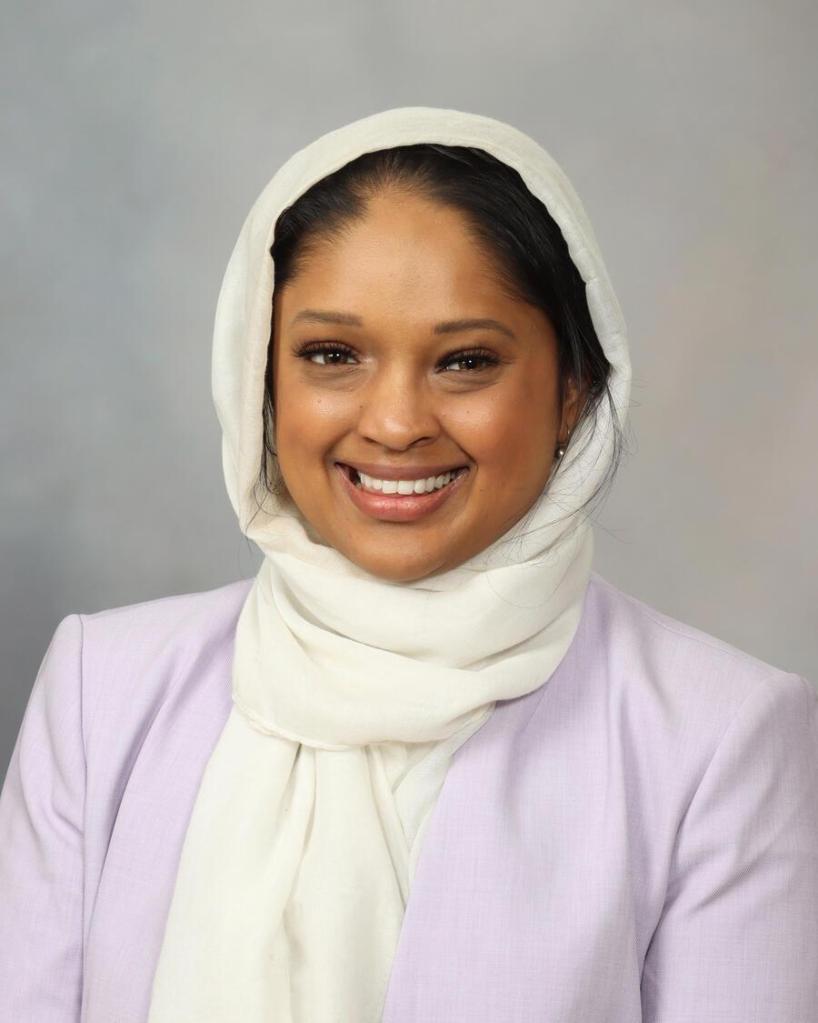
Momi Talukdar, PharmD, MS, is a recent graduate of Northeast Ohio Medical University College of Pharmacy. Her educational interests are nuclear pharmacy, teaching, and student engagement. Momi enjoys watching new films at the theaters and trying out local coffee shops in her spare time.
Jaclyn Boyle, PharmD, MS, MBA, BCACP, FASHP, is the Assistant Dean of Student Success and an Associate Professor of Pharmacy Practice at Northeast Ohio Medical University College of Pharmacy. Her educational interests include professional development, organizational psychology, well-being, and leadership. Jaclyn is very active in professional organizations. In her free time, she enjoys spending time with her family and friends, spinning, and yoga.

Pulses is a scholarly blog supported by a team of pharmacy education scholars.
 Pulses