
By: Jennifer L. Mazan, PharmD, Cherie Lucas, PhD, BPharm, GradCertEduStu (Higher Ed), FPS, SFHEA; Craig D. Cox, PharmD; and Arcelio Benetoli, BPharm, MSc, PhD.
While reflecting on the past year’s accomplishments and challenges I realized that much of my energy as a faculty member is spent on intangible things, such as being friendly, approachable, and empathetic, even when I am exhausted and frustrated. Although many rewards come with teaching, negative emotions may surface which require energy to manage to maintain professionalism in the workplace. Faculty often become so involved in teaching, scholarship, and service, we often don’t acknowledge the amount of emotional labor it takes to be an effective educator and mentor. This invisible labor or expenditure of energy warrants appreciation.
What is emotional labor?
Hochschild defines emotional labor as “the management of feelings to create a publicly observable facial and bodily display”.1 It is an internal process of emotional regulation or managing one’s emotions to establish an appropriate external display in the workplace.
There are two widely accepted divisions of emotional labor: surface acting and deep acting. Surface acting is the regulation of the expression of one’s emotions without attempting to change the genuine feelings resulting in emotional exhaustion. Deep acting is the conscious attempt to change genuine feelings resulting in a socially acceptable expression of emotions and is less likely to result in emotional exhaustion.2 Two validated scales to measure emotional labor are the Teacher’s Emotional Labor Scale (TELS) and Teacher’s Emotional Labor Scale in the Classroom (TELSC).
There is a significant amount of emotional labor associated with teaching at any level.3 To achieve positive learning outcomes, teachers exercise both cognitive functioning and emotional regulation in and out of the classroom. Faculty in higher education may feel additional pressure with student evaluations. Students can potentially “penalize” or “punish” faculty who they perceive to have displayed an inappropriate or negative emotional tone.2 In turn, faculty may perceive the need to mask negative emotions, fake positive emotions or express a state of depersonalization which can be interpreted by students as disinterest. This can lead to poor student evaluations which may result in an increased energy expenditure 2 and educator anxiety because of the focus these evaluations have on promotion.
Other contributing factors that may lead to the emotional exhaustion of pharmacy faculty are the demands of service and the pressure they often face from peers and managers to boost their scholarly output. This environment can foster peer competition rather than collaboration, creating an additional source of distress. Academics from disadvantaged groups may face additional challenges and undergo further scrutiny impacting emotional regulation. Without appropriate mentorship, these challenges can be significantly magnified and over time lead to further emotional exhaustion and burn out.3
Consequences
Faculty burnout exists among pharmacy educators.4 A study which surveyed pharmacy faculty determined that approximately 41% of pharmacy educators reported emotional exhaustion. The frequency was higher in assistant professors, women, and those with children ages 1 – 12 years. Emotional exhaustion scores were higher as the number of hours worked per week increased.
What can we do?
Adjustment in workload, flexible work schedules, mentoring, and wellness programs are commonly presented options.4 These suggested methods are offered at the organization level and assist in providing work-life balance, but may not provide personal coping mechanisms to address the daily burden of emotional labor. Dr. Ashley Harvey, an associate professor in the department of human development and family studies at Colorado State University applied strategies of early childhood educators to assist post-secondary educators in coping with the daily challenge of emotional labor. The table below demonstrates how these strategies can be applied to pharmacy educators.
Strategies to manage emotional labor 5
| Strategy | Steps |
| Increase self-awareness | Reflect and acknowledge your: -Emotional response to stress. -Strengths and weaknesses as an educator. -Perceived role as a pharmacy educator. |
| Examine beliefs about challenging behavior | Acknowledge it’s the behavior that’s challenging and not the student. Identify triggering behaviors. Recognize negative beliefs or attitudes towards students. Empathize with students. Acquire alternative responses to challenging behaviors. |
| Reframe beliefs | Recognize students are learning and have the potential to teach educators something new. |
| Practice positive rehearsal | Refrain from focusing on negative thoughts. Focus on students’ strengths |
| Identify guidelines for responsive relationships | Communicate with kindness, empathy and in a manner that increases students’ confidence.· Be genuine. Develop an environment that exhibits compassion yet maintains rules. Recognize that most students are good, competent people. |
| Cultivate a prevention mindset | Provide clear policies, procedures and instructions to prevent students from exhibiting challenging behaviors. |
Overall, these strategies help to acknowledge the negative feelings and cynicism that may have developed over years of being in pharmacy education and allow the positive emotions exhibited early in our careers to resurface. This will help lead to a positive learning environment and increased job satisfaction.2
How have you dealt with the burden of emotional labor?
References
1. Hochschild, A. R. The managed heart: Commercialization of human feeling. University of California Press
2. Mahoney KT, Buboltz WC Jr, Buckner JE 5th, Doverspike D. Emotional labor in American professors. J Occup Health Psychol. 2011;16(4):406-423. doi:10.1037/a0025099
3. Kariou A, Koutsimani P, Montgomery A, Lainidi O. Emotional Labor and Burnout among Teachers: A Systematic Review. Int J Environ Res Public Health. 2021;18(23):12760. Published 2021 Dec 3. doi:10.3390/ijerph182312760
4. El-Ibiary SY, Yam L, Lee KC. Assessment of Burnout and Associated Risk Factors Among Pharmacy Practice Faculty in the United States. Am J Pharm Educ. 2017;81(4):75. doi:10.5688/ajpe81475
5. Harvey, A. (2021, September 20). Seven Strategies for Embracing the Emotional Labor of Teaching. Faculty Focus.
Author Bio(s):

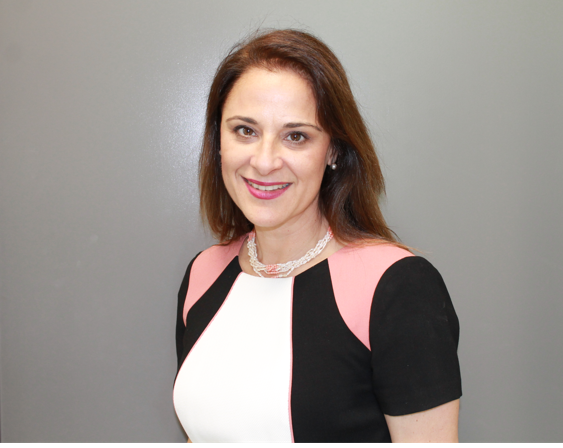
Dr. Jennifer Mazan is a Professor of Pharmacy Practice at Midwestern University College of Pharmacy, Downers Grove Campus with an ambulatory care practice site in family medicine at the Midwestern University Multispecialty Clinic. She serves as the course director for several skills-based courses and is committed to ensuring students master the skills required for IPPE and APPE rotations. Scholarly interests include the development of effective teaching methods and assessments for various pharmacy skills including patient counseling, and veterinary pharmacy. In her free time she enjoys painting, dog obedience training and spending time with her husband and adult children.
Dr. Cherie Lucas, PhD, BPharm, Grad Cert Edu Stud (Higher Educ), FPS, SFHEA, is the Nexus Fellow (Educational Change Agent) for the School of Population Health, Faculty of Medicine and Health at the University of NSW, Sydney, Australia. Dr Lucas also holds Adjunct Positions with the Connected Intelligence Centre, University of Technology Sydney (UTS), and the Faculty of Health, UTS. Dr Lucas is a licensed pharmacist (> 35 years) and is Deputy President of the Pharmacy Council of NSW (the Regulator), Australia. Her educational research interests include pharmacy education curriculum design and instruction, reflective practice tools, and assessment strategies to enhance student engagement, experience, and learning; more recently, her research areas have extended to include artificial intelligence and its role in assessment. She has led teams in interprofessional education and reflective practice.

Dr. Craig Cox is a Professor of Pharmacy Practice and Vice Chair of Experiential Programs at Texas Tech University Health Sciences Center Jerry H. Hodge School of Pharmacy. He has been in academia since 2000 and held an experiential administrative position for the past 16 years. He teaches in the Advanced Cardiology and Critical Care elective courses, but most of his teaching responsibility is as a preceptor for IPPE and APPE students on an adult medicine rotation. He has held a number of leadership positions within the American Association of Colleges of Pharmacy (AACP) and his current research interests are preceptor development and quality assurance/improvement related to experiential education. In his free time, Craig enjoys spending time with his family, attending sporting events and traveling the world.
Dr. Arcelio Benetoli is a Senior Lecturer (Pharmacy Practice) at the State University of Ponta Grossa, Brazil. He also supervises research postgrad students at the State University of Maringá, Brazil. His educational scholarship interests include the use of social media in health and education and health services research. He enjoys spending time with friends, bushwalking, and reading in his free time.

Pulses is a scholarly blog supported by a team of pharmacy education scholars.
 Pulses