
By: Jennifer Mazan, PharmD, Jennifer D’Souza, PharmD, MSEd, BC-ADM, CDCES, and Lea Dela Pena, PharmD, BCPS, CDCES
To create effective and meaningful pharmacy practice skills courses, sufficient staffing is warranted.1 Research indicates that approximately 11.6 instructors are needed weekly to teach 100 pharmacy students. 1 To meet this demand, schools of pharmacy often rely on non-academic resources, such as residents, Advanced Pharmacy Practice Experience (APPE) students and field preceptors.1 While there is value in bringing in novice practitioners, it is essential that they be adequately trained in facilitation which requires a special skillset not otherwise gained in pharmacy education and training.
What is facilitation?
Facilitation is defined as, “the act of providing unobtrusive, objective guidance to a group in order to collaboratively progress towards a goal.”2 The role of the facilitator is to guide the activities and instruction that help students effectively think through problems as a group.3 They are responsible for leading the discussion and asking questions to guide students to a meaningful conclusion. Facilitation involves attempting to create a safe environment to enable each student to participate fully and equally, leading to a collaborative outcome. In contrast to didactic teaching that transfers knowledge and assesses it in concrete terms, the focus of facilitation is supporting students to determine the best solution, rather than providing answers.
Introducing personnel into skills-based courses with little or no teaching experience, such as residents and APPE students, requires extra effort and preparation to ensure consistent, high-quality facilitation. Course coordinators should avoid brief pre-session instructions focused only on content and logistics. To enhance both the instructional capabilities and confidence of these novice facilitators, a structured training framework has been proposed by the authors. This framework, as noted below, is intended to support consistent, high-quality facilitation across pharmacy practice skills courses.
Strategies for effective facilitation
| Theme | Strategy |
| Preparation | Be Prepared: 3 Know content and review materials thoroughly prior to class. Anticipate questions, prepare examples and understand the flow of the session. This enables the faculty to focus on clarifying issues, provide instructions for assessments, and manage logistics without spending time reviewing the content. |
| Arrive early3 This allows for familiarization of technology, arranging seating, and reviewing notes. | |
| Student – Centered Engagement | Create a safe environment2 Encourage participation and validate contributions. Encourage quieter individuals to share their thoughts by pausing the conversation for reflection or reviewing a particular section. Pay attention to nonverbal cues that suggest someone wants to speak. Invite students to contribute with prompts like: “Does anyone else have something to add?” “Did you have an idea?” “You look like you may have something to share.” |
| Ensure everyone is on the same page 2 Provide guided instructions. Verify consensus and encourage debate when applicable. Circulate among groups to check understanding and monitor progress. Clarify concepts or ask probing questions. This shows interest and concern, which will motivate students to stay focused and engage with the material. It also allows guidance in the right direction and ensures understanding. | |
| Ask questions2,4 Stay neutral and avoid giving away answers. Use Socratic questioning to encourage critical thinking. “Can you tell me how you came to that answer?” “What other medications did you consider?” “What are the potential outcomes of using this medication?” “How else can you approach this?” “What are other options?” Provide potential phrasing such as: “It could be helpful to… ”“You may want to look at this again.” | |
| Adaptability | Be flexible2 Recognize that not all techniques work in every situation. Be responsive to the environment, adjust for timing, objectives, level of engagement, and group dynamics. |
| Be mindful of time 4 Provide time warnings and ensure there is time for questions and wrap-up. | |
| Be genuine and authentic in both personality and knowledge. 2 Acknowledge what you don’t know and guide students on how to find the answer. |
As pharmacy education evolves to make student pharmacists more APPE- ready, practice-ready and team-ready, the demand for trained facilitators in skills-based courses continues to grow. The layered learning model offers a practical solution to faculty shortages by incorporating non full-time faculty, residents and APPE students into teaching roles. However, without proper training, these novice facilitators may struggle to deliver consistent, high-quality instruction. By providing guidance through a structured facilitation framework grounded in preparation, adaptability, and student-centered engagement, these facilitators may feel more confident when facilitating. Ultimately, investing in facilitation training not only enhances the learning experience for students but also cultivates the next generation of pharmacy educators.
What strategies have you used to guide novice instructors on facilitation?
REFERENCES
- Bradley CL, Curtis SD, Morris EJ, Anksorus HN, Sourial M, Donohoe KL. A lot in a little: Assessment of skills laboratory course structures and faculty workloads. Curr Pharm Teach Learn. 2023;15(9):801-807. doi:10.1016/j.cptl.2023.07.017
- Gibbons S. Workshop Facilitation 101 – NN/g. Nngroup.com. April 2020. http://www.nngroup.com/articles/workshop-facilitation-101/. Accessed June 23, 2025.
- Shaw P. Running a Workshop: Guidelines for Engagement and Impact. Faculty Focus | Higher Ed Teaching & Learning. Published February 10, 2025. https://www.facultyfocus.com/articles/faculty-development/running-a-workshop-guidelines-for-engagement-and-impact/
- Gullo C, Ha TC, Cook S. Twelve tips for facilitating team-based learning. Med Teach. 2015;37(9):819-824. doi:10.3109/0142159X.2014.1001729
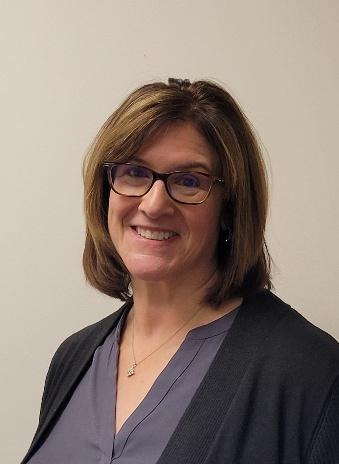
Dr. Jennifer Mazan is a Professor of Pharmacy Practice at Midwestern University College of Pharmacy, where she serves as course director for multiple skills-based courses. She is also an Editor and peer coach for PulsesRx. Dr. Mazan is committed to helping students develop and master the essential skills required for success in their Introductory and Advanced Pharmacy Practice Experiences (IPPE and APPE). Her scholarly interests focus on the design and assessment of effective teaching strategies for pharmacy skills, including patient counselling, medication error disclosure and veterinary pharmacy. Outside of academia, Dr. Mazan enjoys painting, cooking, and spending time with her family.
Dr. Jennifer D’Souza is a Professor of Pharmacy Practice at Midwestern University College of Pharmacy, where she practices in an ambulatory care practice site where she serves patients and precepts students. She also serves as a course director for a skills-based course. Dr. D’Souza is committed to helping students improve their patient care skills in the classroom and on their clinical rotations.


Dr. Lea dela Pena is an Associate Professor of Pharmacy Practice at Midwestern University College of Pharmacy, where she practices in an ambulatory care practice site where she takes care of patients with a focus on diabetes and precepts students. She also serves as a co-course director for a skills-based course. Dr. dela Pena is dedicated to helping students improve their patient care skills learned in the classroom and translate that into their clinical rotations.
Pulses is a scholarly blog supported by a team of pharmacy education scholars.

