
By: Jeff Cain, EdD, MS, and Krisy Thornby, PharmD
We recently published two related articles that offered strong positions for chasing fulfillment (versus success)1 and for reasonable expectations around work availability.2 The purpose was to promote expectations, mindsets, attitudes, and behaviors that can lead to successful and sustainable careers that do not come at the expense of mental, physical, and social health. However, due to word count limitations, a reader could miss some of our underlying assumptions that inspired those papers. In this article, we present five additional thoughts that we may not have adequately conveyed in those publications.
Striving is inherently good
Despite our cautions about over-prioritizing career demands, pouring oneself into challenging work to accomplish highly meaningful outcomes is not only admirable, but beneficial. Striving for mastery is strongly predictive of both positive career success and personal well-being outcomes.3 Pursuing excellence requires discipline and hard work that cannot be shirked, but there is a subtle difference between striving for meaningful results and depleting oneself because of a fear-driven focus on visible busyness, or external validation. Factoring fulfillment and well-being into career decisions shouldn’t deter someone from striving for excellence; it simply ensures that the ambition is sustainable.
Find the “Right Dose”
We teach students to optimize therapy so patients achieve the intended outcomes without causing unnecessary harm. The same principle can be applied to our work life. Putting in the least amount of effort at work is unlikely to lead to success. Stulberg describes the minimum effective dose as the necessary amount of high-impact work that leads to meaningful progress. Too little effort will not yield results, while too much can overwhelm and leave little room for life beyond work. The goal should not be to lower standards, but rather identify the appropriate amount of effort to sustain consistently high levels of productivity over time.
Manage our energy, not just time
In our commentary on rest, we discuss how recognizing time as a finite resource helps us reframe what matters most.2 Equally important is protecting our energy so we can show up engaged in all areas of life. Schwartz argues that sustained engagement depends on intentional recovery that renews our physical (eg, sleep, exercise), emotional (eg, expressing appreciation), mental (eg, focus), and spiritual (eg, purpose, values) energy to prevent depletion.4 If all our energies are overspent or misspent at work, we could lose the capacity to create space for the people and pursuits that make life meaningful.
Respond to what the moment requires
While academic commentaries like ours often promote idealized environments, reality presents a different picture. Inevitably there will be times when we must take whatever actions are necessary to confront immediate demands. This might require extra effort, arriving early, or staying late. The challenge is recognizing when going above and beyond at work is vital and when those actions become detrimental – and having the discipline and courage to recalibrate. Conversely, there will be times when we must focus our energy on family issues and personal emergencies – doing what we need as parents, spouses, children, or friends, while loosening the reins at work.
Mentors matter
Surrounding yourself with and listening to the right people can make a difference. Navigating work in the context of life is challenging and the right mentors can be invaluable in helping us rethink success more holistically. The best mentors care about the person behind the achievements and prioritize life fulfillment rather than just career progression. Through simple conversations about boundaries, family priorities, and knowing when to step back, they challenge tunnel-vision views of success and remind us that our professional lives are only one piece of who we are. They encourage us to reflect on our priorities, recognize blind spots, and consider the tradeoffs of our choices. Mentors might also remind us that success is personal, not always visible, and that we shouldn’t compare ourselves to them. They point out that productivity matters, but so do rest, hobbies, and meaningful relationships, which help us do our best work.
There’s even more to discuss
Our philosophies (and practice) of placing career in the context of life were not formed overnight. This developed over years of doing the “opposite”, reflecting on those outcomes, reading and listening to others’ well-informed and evidenced opinions, considering alternative approaches, experimenting, and taking risks. We don’t expect everyone to agree, nor do we suggest there is a simple formula for navigating achievement and fulfillment. Instead, we hope these reflections encourage others to consider how investing in life beyond our professional roles can help us remain engaged, productive, and fulfilled. While we’re confident of the long-term benefits of this philosophy, we also recognize the complex interconnectedness of life, roles, environments, and personal circumstances that impact the choices toward our careers. We invite you to share your own experiences and perspectives as we continue this conversation.
ChatGPT from Open AI was used for suggestions to improve clarity.
References
1. Cain J, Thornby KA. Rethinking Success to Reduce Work-Life Tensions. Am J Pharm Educ. 2026;90(4):101975. doi:10.1016/j.ajpe.2026.101975
2. Cain J, Thornby KA. Rest as strategy: The importance of psychological detachment from work for sustained career productivity. Am J Pharm Educ. Published online June 11, 2026. doi:10.1016/j.ajpe.2026.102025
3. Guo J, Hu X, Elliot A, Marsh HW, Murayama K, Basarkod G, Parker PD, Dicke T. Mastery-approach goals: A large-scale cross-cultural analysis of antecedents and consequences. J Pers Soc Psychol. 2023;125(2):397-420. doi:10.1037/pspp0000436
4. Schwartz T. Manage your energy, not your time. Harv Bus Rev. 2007;85(10):63-164.
Author Bio(s):

Jeff Cain, EdD, MS is professor and vice-chair in the Department of Pharmacy Practice & Science at the University of Kentucky College of Pharmacy. Jeff’s educational scholarship interests include innovative teaching, digital media, and contemporary issues in higher education. In his free time, he is a girl-dad, an extreme trail ultramarathoner, a thoroughbred racehorse owner/enthusiast, and is president of For Those Who Would, a 501(c)(3) charity in the adventure and endurance racing communities.
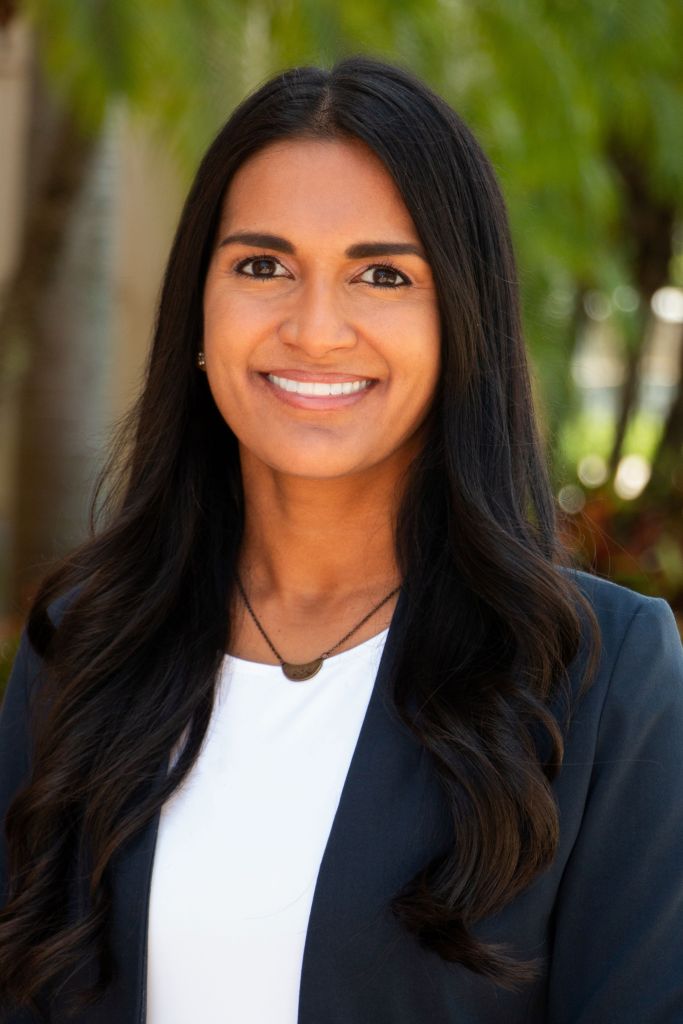
Krisy Thornby, PharmD is a professor of pharmacy practice in the Department of Pharmacy Practice and Administration at Palm Beach Atlantic University, Gregory School of Pharmacy. Krisy’s educational scholarship interests include teaching and learning, curriculum and assessment design, learner and faculty well-being, and contemporary issues in higher education. In her spare time, she enjoys being simple with her family, jogging, reading, and cheering on her favorite sports teams.
Pulses is a scholarly blog supported by a team of pharmacy education scholars.

